The U.S. Housing Market in 2025: Stabilization, Scarcity, and a Shift in Buyer Behavior
The U.S. housing market in 2025 is defined by a blend of long-term structural shortages, moderating interest-rate pressures, and a noticeable shift in how Americans think about homeownership. After several years of volatility marked by pandemic-driven demand, rapid price increases, and rising borrowing costs, 2025 represents a transitional period—one in which the market is neither booming nor collapsing, but slowly recalibrating toward a more balanced, if still challenged, state.
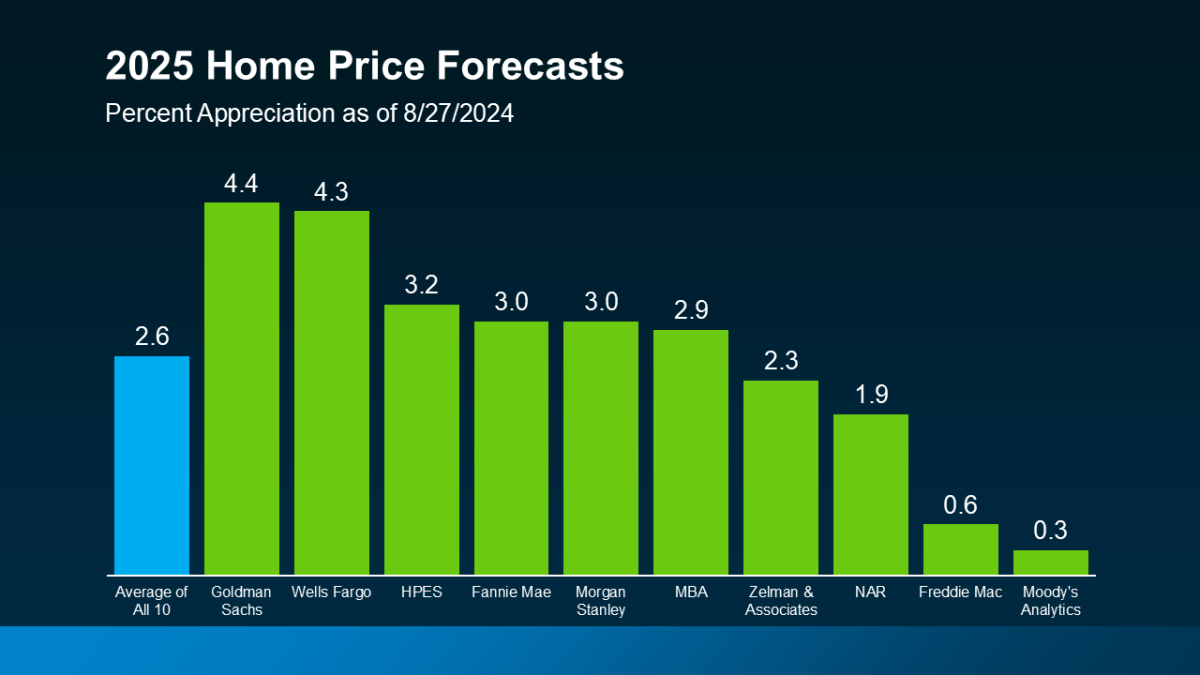
One of the most significant factors shaping the 2025 landscape is the persistent housing supply shortage. For more than a decade, new construction lagged behind population growth, and that shortage continued into 2025 despite an uptick in building activity. Builders remain cautious, focusing on smaller, more affordable units and multi-family developments rather than large suburban homes. Labor shortages, elevated construction costs, and tight zoning rules in many cities continue to limit how quickly new supply can reach the market. As a result, inventory levels remain low, keeping upward pressure on prices even as buyer demand becomes more selective.
Mortgage rates, after peaking earlier in the decade, began edging downward in 2025. While they have not returned to the historically low levels of the early 2020s, the slight decline has encouraged sidelined buyers to re-enter the market. These include first-time buyers who delayed purchasing due to high financing costs, as well as homeowners who postponed upgrading because selling would have meant giving up a low mortgage rate. This return of demand adds fresh competition, particularly for mid-priced homes.
However, affordability remains one of the biggest barriers for many Americans. Home prices did not fall dramatically in most regions, and incomes have not kept pace with housing costs. Younger buyers, especially Millennials and early Generation Z households, increasingly rely on creative financing, co-buying arrangements, or family support to secure homes. The rental market remains a strong alternative, but rents in major metropolitan areas continue to increase, making it difficult for potential buyers to save for down payments.
Another prominent trend in 2025 is the continued migration toward smaller cities and suburban areas. Remote and hybrid work policies, now firmly entrenched in many industries, have made less expensive regions more attractive. Cities across the Midwest and Southeast have seen increased demand, resulting in steady price growth and new development. Meanwhile, traditionally high-cost markets on the coasts are experiencing slower price appreciation, with some areas even seeing modest declines as buyers spread out geographically.
At the same time, investors play a smaller but still impactful role. After years of heightened activity, investment purchases have moderated due to higher borrowing costs and increased regulatory scrutiny in some states. This shift has slightly eased competition for entry-level homes, though not enough to dramatically improve affordability.
The luxury market tells a different story. High-end properties remain resilient, buoyed by cash buyers, international investors, and affluent households largely unaffected by borrowing costs. Premium urban condos, mountain homes, and coastal properties continue to perform well, though price growth is slower compared to the peak years of the early decade.
Looking ahead, the 2025 housing market is best described as cautiously optimistic. Inventory is slowly improving, mortgage rates are gradually easing, and buyer demand is stabilizing rather than surging. Yet the core challenges—affordability, supply shortages, and uneven regional growth—remain unsolved. Policymakers, builders, and local governments are under increasing pressure to address zoning constraints, promote affordable housing initiatives, and support first-time buyers.
In essence, 2025 marks a turning point. The U.S. housing market is no longer overheating, but it is far from effortless. It is a year defined by adaptation—buyers adjusting expectations, builders altering strategies, and communities reshaping their landscapes for the next decade of American housing.